Archaeological Techniques and
Research Center
FOR ALL ARCHAEOLOGY, BIOARCHAEOLOGY, OSTEOLOGY, FORENSICS, GEOPHYSICS AND EXPERIMENTAL PROJECTS, CHECK OUT OUR BRAND NEW WEBSITE:

Metal,Fire,Water,Salt:
Bronze Age in Transylvania
Excavation and Survey
On hold during 2012

The Bronze Age shaped the Old World for millennia to come. Upon this foundation, the Thracian, Celtic, Roman and Greek worlds were built. Because of its location and resources, the Carpathian Mountains, and Transylvania (Romania) in particular, played an extremely important role in the development of Old Europe. The dynamic nature of the Transylvanian Bronze Age makes it incredibly rich and interesting but at the same time fundamentally complex. Transylvanian swords were found in Homeric Troy, Transylvanian bronzes sank with the Uluburum and at the same time, Minoan symbols are found on Late Bronze Age Transylvanian cast bronze swords.
The Early Bronze Age brought a whole new way of life to the Transylvanian landscape taking over the complex societies of the Eneolithic.

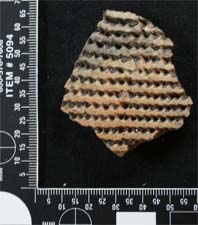
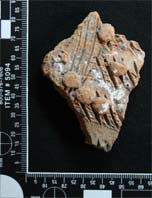
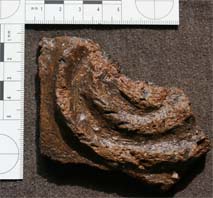
Early Bronze Age Ceramics
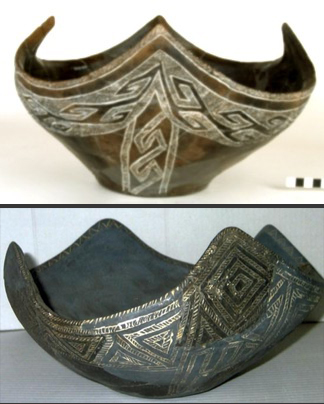
Classical Middle Bronze Age cultures show the development of highly developed cultures, the Wietenberg, Monteoru, Tei. Vely elaborate metalwork, extensive agriculture, complex symbolism, very decorated ceramics complemented the rise of a proto-urban society, with central places, both civil and religious. With the advent of the Late Bronze Age, they were very quickly replaced, without any major signs of conflict by a new cultural group, the Noua, coming from the East as part of the very extensive Noua-Sabatinovka-Coslogeni complex. The incineration rituals of the Middle Bronze Age were completely replaced by elaborate and standardized inhumation burials, the large settlements of disappeared, ceramic technology regressed and almost all decoration disappeared.
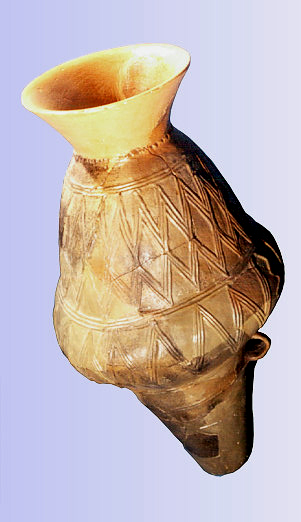
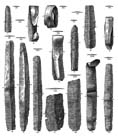
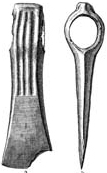
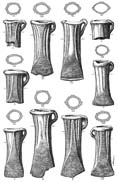
Metal, fire, water, salt, mountains, forests… That is the environment of the Transylvanian Bronze Age. We have hundreds of tools for quarrying salt, working wood, forging metal, plowing fields, harvesting crops, working leather and pelts, not counting jewelry, clothing implements, weapons…
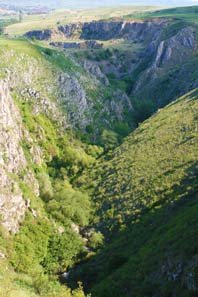
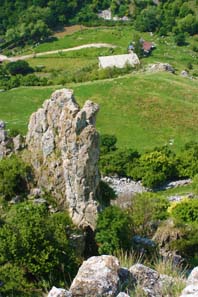
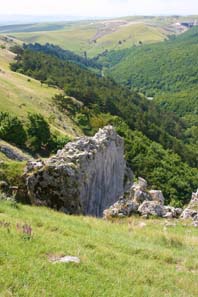
Tureni Canyons
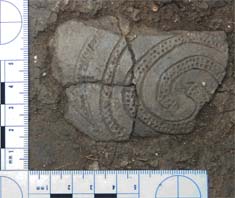
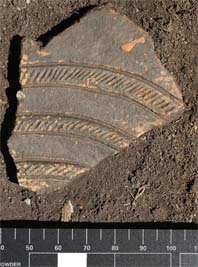
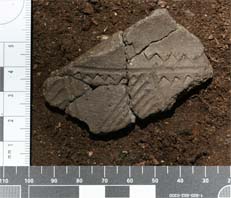
Middle Bronze AgeCeramics