Archaeological Techniques and
Research Center
FOR ALL ARCHAEOLOGY, BIOARCHAEOLOGY, OSTEOLOGY, FORENSICS, GEOPHYSICS AND EXPERIMENTAL PROJECTS, CHECK OUT OUR BRAND NEW WEBSITE:

Osteological Survey and Workshop
Late Bronze Age populations in Transylvania
June 03 - June 30, 2012 (First session)
July 01 - July 28, 2012 (Second session)
By its geographic location, Romania is situated on the main migration axes in and out of Europe. The Carpathian Mountains constituted de facto the contact zone between the two macro-regions: respectively Eastern and Central-Western Europe. In this context, the Transylvanian Depression, being very well bound geographically, became a very dynamic zone of culture synthesis. Transylvania became a transfer zone of people, cultural practices, goods and technologies. In that regard, it is noticeable that Eastern Europe in general and Transylvania in particular displayed inverse trends when compared to Central and Western Europe during the Bronze Age, especially visible in funeral rituals.
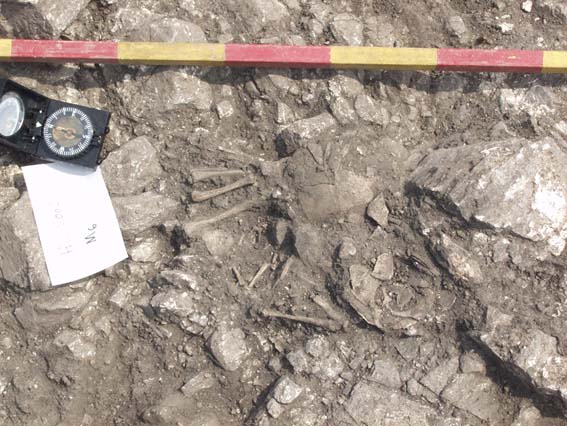
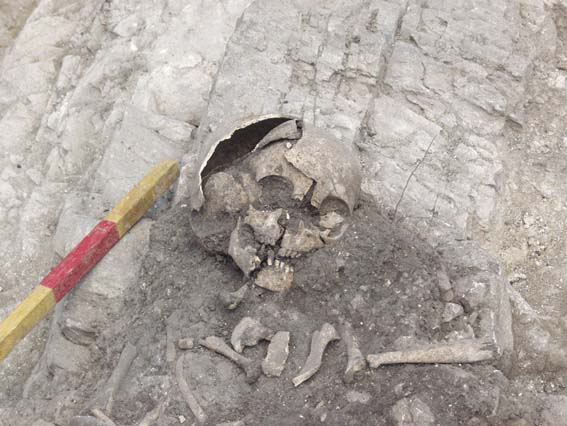
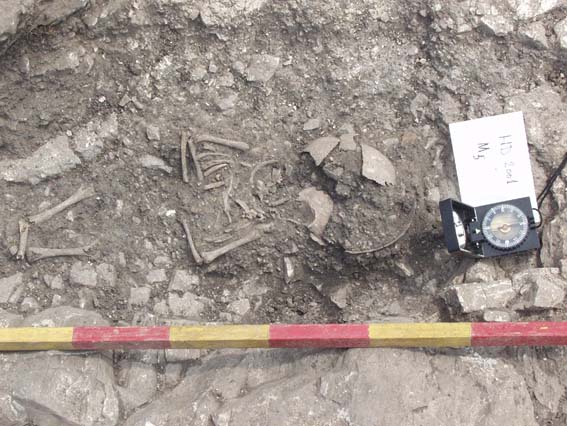
Iron Age Sacrificial Child Graves
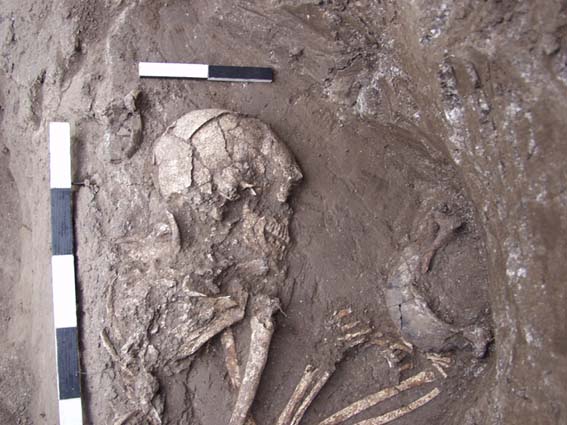
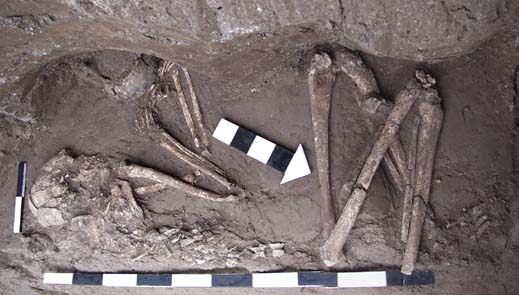
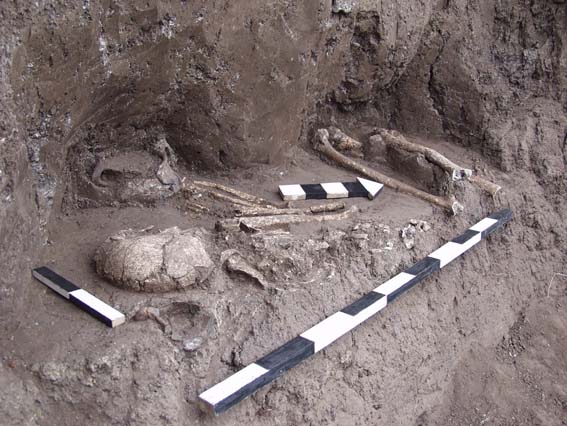
The Late Bronze Age in Eastern Europe is characterized by the appearance of a large scale archaeological formation, the Noua-Sabatinovka-Coslogeni Complex. A remarkable unity of settlement structure, material culture and funerary practices has been achieved over an area that stretches from the Western Carpathians and the lower Danube to the regions east of the Azov Sea.This project focuses on the Transylvanian component of the Noua Culture. The Noua civilization in Transylvania is known mostly from the study of cemeteries. As a result, the Noua population is structurally invisible due to the absence of data regarding settlement spatial organization or social structure.
Although the origin of the Noua Culture is still debated, most specialists agree on an Eastern origin. The morphology of the Noua population differs from the earlier Moldovan and Transylvanian local populations but bears significant similarities with that of the Sabatinovka Culture. Very basic osteological analyses of ancestry have shown a mix of an Eastern type and a more Mediterranean gracile indigenous type, supporting the idea of the penetration of an Eastern population.
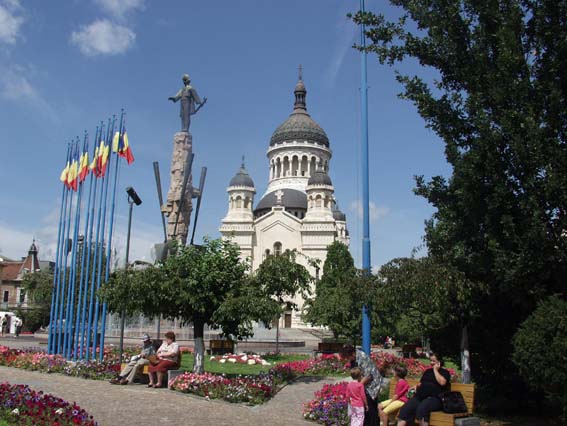
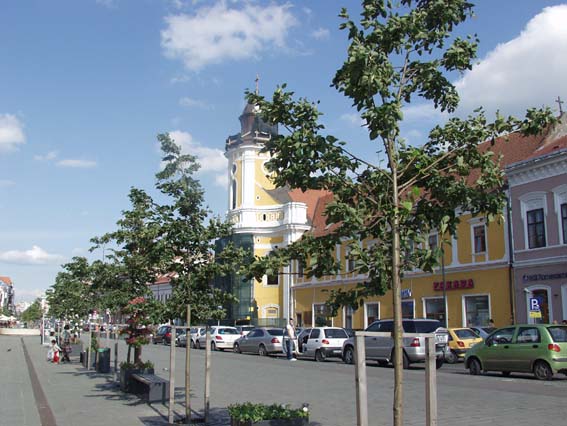
Cluj-Napoca
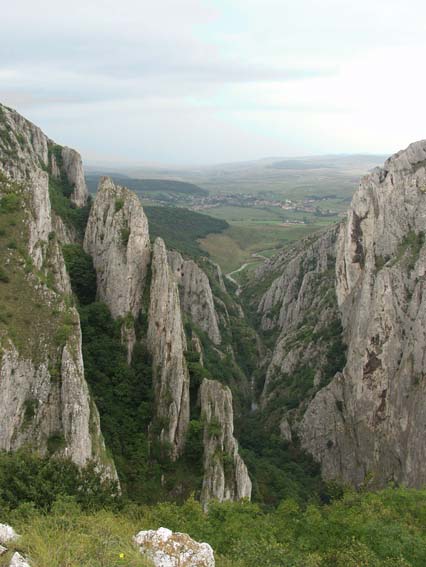
Turda Canyon